

Colorado homeowners follow an annual boiler maintenance schedule to ensure that the heating system is energy-efficient and safe. Boiler maintenance is a professional safety inspection and testing done by a qualified technician to ensure that the system is working as it is supposed to be. Colorado homeowners need a boiler maintenance schedule when the boiler is making unusual noises, energy bills increase, winter starts, or the system stays inactive for a long time. The best time to schedule boiler maintenance in Colorado is late summer or during fall to keep the system fully functional for the upcoming colder months.
What is Boiler Maintenance or Servicing?
Boiler maintenance involves routine inspection, cleaning, and safety checks by a qualified engineer to ensure the system is running efficiently and safely. Most boiler manufacturers require annual boiler service for warranty validation. Colorado homeowners schedule boiler maintenance during fall or late summer, before heavy use in cold seasons.
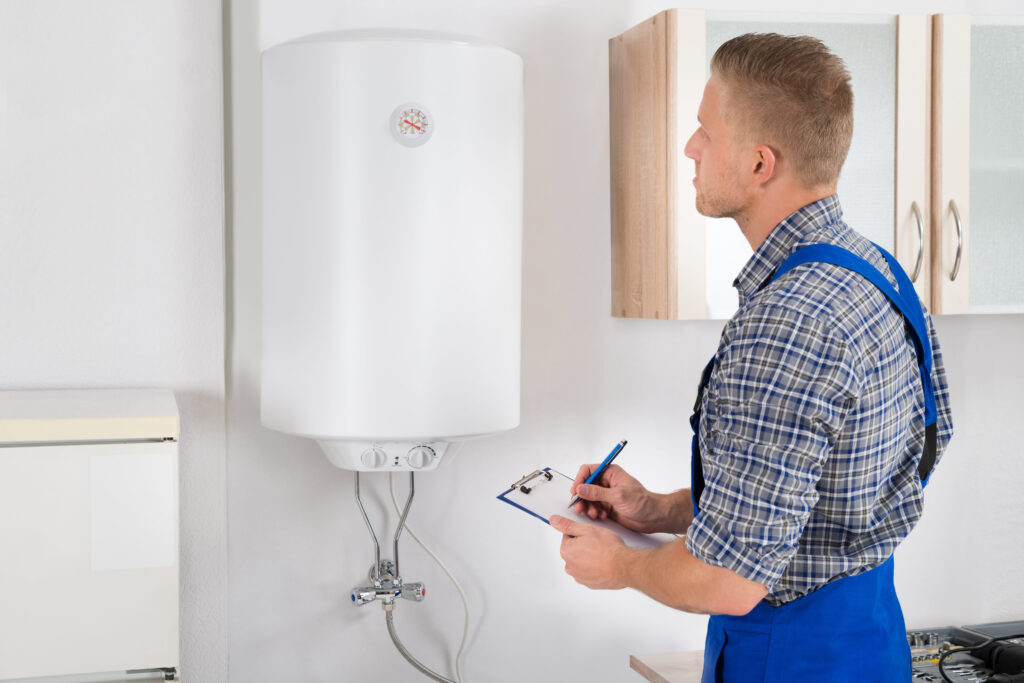
Boiler Maintenance In CO
Boiler maintenance is performed by licensed HVAC technicians, boiler specialists, heating engineers, certified gas technicians, and HVAC service companies in Colorado. An expert technician cleans the building, looks for early signs of wear, and ensures that the system is operating within safe limits.
The purpose of an annual boiler service is to prevent sudden system breakdown, carbon monoxide poisoning, and gas leaks while having a reliable boiler during the colder months in Colorado.
How often should a boiler be maintained in Colorado?
A boiler should be maintained once a year in Colorado by a professional and certified HVAC technician. Homeowners should also perform monthly boiler checks to prevent common issues (valve issues, pilot light problems).
Professional Boiler Maintenance Checklist
An annual service or professional boiler maintenance checklist is provided below.
- Inspect the heat exchanger for cracks or corrosion.
- Clean the burner and combustion chamber.
- Check gas pressure and connections.
- Test the ignition system and pilot light.
- Inspect and clean the flue/vent system.
- Test safety controls (pressure relief valve, limits)
- Check the circulator pump operation.
- Flush system (if needed) to remove sediment
- Check for leaks in pipes and connections.
- Perform combustion analysis (efficiency + safety)
DIY boiler Maintenance checklist
A DIY boiler maintenance checklist for homeowners to follow regularly is listed below.
- Boiler pressure is proper (usually 1–2 bar)
- There are no visible leaks or rust.
- Bleed radiators if heating is uneven.
- There are no unusual noises.
- The thermostat is working properly.
- The area around the boiler is clean and clear.
When Do Colorado Homes Need Boiler Maintenance Service?
Does Your Boiler Require Maintenance?
Listed below are 6 situations in which Colorado homes need boiler maintenance services to avoid system failure or breakdown.
- Before Winter Starts
Colorado homes need to schedule boiler maintenance during late summer or early fall. It is important to call an HVAC technician before the temperature drops or winter begins, as waiting until winter can lead to higher service costs, limited technician availability, and increased risk of emergency breakdowns.
Northwestern Colorado experiences extreme cold temperatures during winter—the average temperatures in mountain areas like Summit County range from 0 °C to -15 °C. Front-range cities like Denver and Colorado Springs experience average winter temperatures ranging from 5 °C to 9 °C (41 °F to 48 °F), and lows dip to 14 °F to 18 °F. The demand for boilers increases in the area, so pre-season maintenance ensures that the system is available for continuous use.
2. When Your Energy Bills Increase
Colorado homeowners should schedule boiler maintenance if heating bills suddenly rise without any change in usage. A boiler becomes less energy efficient due to internal wear, poor combustion, and dirty components. Call an HVAC expert to perform an inspection and help you determine the underlying issue.
3. When Your Boiler Makes Unusual Noises
Colorado homeowners notice abnormal sounds like banging, whistling, or gurgling. These abnormal signs signal problems like pressure issues, sediment buildup, and air in the system. Boiler maintenance helps you address these issues early and prevent major repairs.
4. When Heating Becomes Uneven
Do some rooms of your home feel colder than others? Uneven heating is a clear indication of circulation problems, pressure imbalance, and radiator blockages. The boiler maintenance schedule is overdue in this case, and helps homeowners restore even heat distribution everywhere in the home.
5. After Long Periods of Inactivity
An inactive boiler during warmer months can lead to pressure issues, startup inefficiencies, and stuck components. A boiler maintenance schedule includes an expert HVAC inspector who ensures smooth operation after a winter restart.
6. If Your Boiler Is 10+ Years Old
Older boilers are more prone to frequent breakdowns, component failure, and efficiency loss. Colardo’s home must schedule boiler maintenance frequently, like twice a year, if you have an old boiler system at home.
What are Some Signs that Indicate Your Boiler Needs Immediate Maintenance?
Listed below are the 5 signs that indicate your boiler needs immediate maintenance to prevent complete system failure and safety risks.
- Water Leaks or Corrosion: visible water leaks and corrosion/rust around the boiler indicate internal damage or failure of the valve or seal. Ignoring these visible warning signs leads to serious system damage. Colorado homeowners should immediately seek boiler maintenance and repair services.
- Pressure Drops or Spikes: Sudden pressure drops and spikes outside the normal range require immediate inspection from an HVAC technician. Low pressure leads to heating inefficiency while high pressure increases the risk of system damage.
- Pilot Light Issues: Pilot light issues, such as color changes (yellow instead of blue) or failure to light, indicate that your heating system has either combustion problems or a gas supply issue. The performance and safety of the boiler are at risk if you notice a pilot light issue. It is recommended to get emergency boiler maintenance services in Colorado.
- Strange Smells or Fumes: Unusual odors, such as gas-like or metallic smells, are a sign of gas leaks or burning components. You must immediately call a professional after turning off the system.
- Carbon Monoxide Poisoning: Signs of carbon monoxide (CO) poisoning include poor ventilation, malfunctioning exhaust systems, dizziness, and headaches. Carbon monoxide is a colorless, dangerous gas produced by a faulty boiler. Colorado homeowners must install CO detectors and schedule immediate boiler maintenance if they suspect any warning signs of CO poisoning.
What are the Benefits of a Boiler Maintenance Schedule in Colorado?
Listed below are the 4 benefits of a boiler maintenance schedule in Colorado.
- Extends System Lifespan: Regular boiler services extend system lifespan by reducing wear and tear of critical components such as the burner, pumps, and exchanger. The boiler runs efficiently for years without requiring costly repairs or replacements.
- Reduces Energy Bills: Following a timely boiler maintenance schedule reduces energy bills because a well-maintained boiler operates at peak efficiency. You can reduce monthly heating costs because the boiler uses the same fuel to produce the same level of heat during cold winters in Colorado.
- Improves Safety: Routine boiler inspection and servicing improve safety by detecting issues such as carbon monoxide poisoning, faulty valves, and gas leaks. Early issue detection helps homeowners fix the issue and run the system without any risk throughout the season.
- Maintains comfort During Winter: A well-maintained boiler serves the Colorado home, maintaining comfort for residents during winter when they need consistent warmth indoors to protect themselves against the coldest weather outside.
What are Some Common Problems Prevented by Routine Boiler Maintenance?
The 4 common problems presented by routine boiler maintenance are listed below.
Routine boiler maintenance helps Colorado homes prevent common boiler problems.
- Frozen Pipes: The risk of pipe freezing and bursting is high during extreme cold temperatures. Regular maintenance of the boiler reduces the risks of frozen pipes as expert HVAC technicians perform proper circulation and insulation checks.
- Pilot Light Failure: The pilot light goes out, disrupting the boiler’s heating functionality. The technician inspects and cleans ignition components to prevent pilot light failure.
- Pressure Loss: Pressure loss adversely affects the heating performance of a boiler. A routine boiler maintenance schedule identifies valve issues and leaks early to ensure that the system maintains proper pressure and heating performance throughout the season.
- Sediment Buildup: Sediment buildup in a boiler block’s heat transfer damages internal components over time and makes the system inefficient. Regular boiler maintenance prevents sediment buildup because the technician flushes and cleans the system to remove debris and mineral deposits.
FAQs
How much does a boiler maintenance plan cost in Colorado?
The cost of an annual boiler maintenance plan in Colorado is $150 to $500. The average boiler repair cost is $675. The 7 factors affecting the cost of boiler maintenance include location, age of the system, boiler type, system condition, type of fuel (gas, oil), accessibility of the unit, and service complexity.
What happens if I do not service my boiler yearly?
The manufacturer’s warranty becomes invalid if you do not service your boiler yearly. You will pay all the repair and replacement expenses yourself because the manufacturer will not cover the expenses. Other risks associated with skipping a yearly boiler maintenance schedule include carbon monoxide poisoning, gas leaks, high energy bills, costly repairs, boiler breakdown, and reduced boiler lifespan.
How long does a boiler service take?
Standard boiler service takes 30 minutes to 1.5 hours. Service of an old and neglected boiler takes more than 2 to 3 hours.
Can I service my boiler myself?
Yes, you can service your boiler yourself, but only basic checks, such as checking pressure, bleeding radiators, and performing a visual inspection. Technical boiler service tasks like gas checks, internal cleaning, and combustion testing must be done by a professional.
Does the law require boiler maintenance?
No, law does not require boiler maintenance, but manufacturers require annual servicing for warranty validation.


