

If you own or manage a commercial property in Colorado, you already know plumbing is one of those things you ignore until something breaks. And when it breaks, which it will at the worst possible time, it rarely stays small.
Commercial plumbing is not a one-person job. These are large-scale, heavy-duty systems that handle water supply, drainage, and gas across office buildings, restaurants, retail spaces, healthcare facilities, and apartment complexes. The stakes run higher and the code is stricter. A small leak today can turn into a full slab restoration later, so your best move is to hire a real professional who gets it right the first time. For a repair quote on your building, contact us and we give you a straight estimate.
What Is Commercial Plumbing?
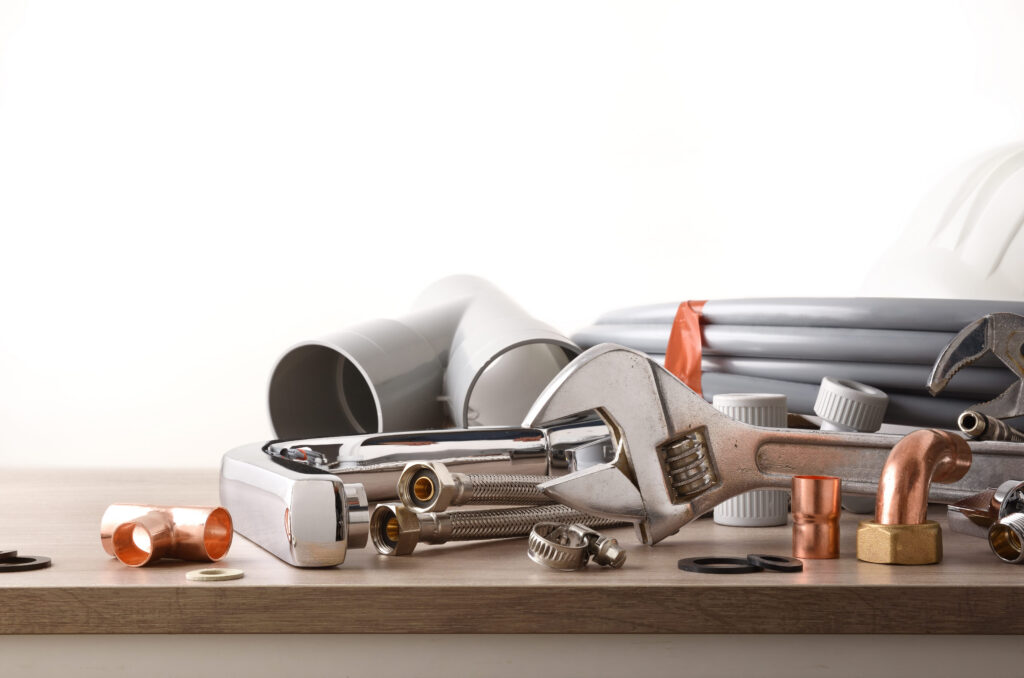
Commercial Plumbing Solutions In Colorado
Commercial plumbing manages high-capacity water systems in non-residential and large residential buildings, including offices, restaurants, retail centers, healthcare facilities, and industrial spaces. These systems run under stricter code and heavier daily use than anything in a house.
Commercial buildings use 3 to 5 times more water daily than residential buildings of the same size. They also run larger-diameter pipes, handle higher pressure demands, and serve dozens to hundreds of fixtures at once.
The rules for commercial plumbing in Colorado come from the Colorado Plumbing Code (IPC 2021 adoption), OSHA standards (29 CFR 1910.141), and local amendments in cities like Denver, Colorado Springs, and Aurora.
What Are the Most Common Commercial Plumbing Issues in Colorado?
The most common commercial plumbing issues in Colorado are drainage blockages, hidden slab leaks, water pressure inconsistencies, backflow contamination risks, sewer gas odors, and incorrect water temperature.
6 common plumbing issues and the ways to spot them are explained below.
- Drainage Blockages and Clogged Drains: Grease, oil, and fat (FOG) build up inside kitchen drain lines in commercial kitchens. These can cause blockages that don’t just form immediately. Not sure if you have a blockage? Time your drain. A response time under 30 seconds points to a partial clog already forming.
- Hidden Leaks and Slab Leaks: These leaks hide beneath concrete floors and stay quiet for months. Corrosion, shifting soil, and high water pressure cause slab leaks in commercial buildings, which affect supply lines and heat pipes. Watch your water bill closely. A 20% spike with no change in usage almost always signals a hidden leak somewhere.
- Water Pressure Inconsistencies: Low pressure on the 3rd floor but strong pressure on the 1st floor points to a real problem. Mineral scale buildup and small booster pumps disrupt water pressure in multi-story buildings. A reading below 40 PSI or above 80 PSI confirms a system fault.
- Backflow Contamination Risks: Backflow happens when dirty water reverses direction and enters a clean supply line. Pressure drops cause this reversal, and the results can be dangerous. Because of this, Colorado Regulation 11 requires annual backflow prevention device testing for every commercial building.
- Sewer Gas Odors: That rotten-egg smell in your restroom or break room? That is hydrogen sulfide or methane gas leaking, which is caused by dried P-traps, cracked sewer lines, and blocked vents. The smell shows up first near restrooms, floor drains, or utility rooms. If you notice this odor even slightly, do not wait to call a commercial Colorado plumber like Bear Creek Plumbing to inspect the system and save yourself from bigger damage.
- Incorrect Water Temperature: Water that runs too hot or too cold creates problems for staff and customers. It is caused by faulty mixing valves, sediment buildup inside the water heater, or incorrect temperature settings. These issues can be severe in commercial areas like healthcare facilities, where steady and safe water temperature is needed every second.
How Much Does Commercial Plumbing Repair Cost in Colorado?
Commercial plumbing repair cost in Colorado depends on the issue and the scope of the fix, not a flat rate. A minor fixture repair and a full pipe repiping project sit at opposite ends. The honest way to price your job is a site inspection, since access, building size, and existing damage all change the work.
The table below pairs each common commercial plumbing issue with the professional fix it usually calls for. For the cost on your building, contact us for a quote.
| Issue Type | Professional Solution |
|---|---|
| Drain blockage | Hydro-jetting |
| Slab leak | Trenchless pipe relining or excavation |
| Water pressure fault | Pressure regulator or booster pump installation |
| Backflow device repair or test | Device replacement plus compliance test |
| Sewer line repair | Video inspection, then hydro-jetting or pipe replacement |
| Water heater repair | Sediment flush, element replacement, or unit replacement |
Don’t Let Trouble Come Your Way
The best medicine is prevention. The best advice is to get a professional who will do each job that follows all standards and lasts forever. We offer our better than professional services to commercial properties that always go the extra mile. Let us know if you need any regular checkups, and we will make sure everything is in line.
Contact Bear Creek Plumbing today for great plumbing work.
Conclusion
Commercial plumbing problems do not wait for a convenient time, and they do not shrink the longer you ignore them. A slow drain today becomes a full hydro-jetting job next month. The warning signs almost always show up early. The only question is whether you act on them.
Keep an eye on these common issues, follow the basics, and you stay ahead of the trouble.
Frequently Asked Questions
How long does a commercial slab leak repair take?
A commercial slab leak repair takes 1 to 5 days, which depends on the access method used. Trenchless pipe relining is completed in 1 to 2 days, and open excavation methods require 3 to 5 days of facility disruption.
Does a commercial building need a backflow preventer?
Yes, Colorado Regulation 11 requires all commercial buildings connected to a public water supply to install and annually test a certified backflow prevention assembly. Not using a backflow preventer or neglecting its regular maintenance can cause heavy fines.
What is the most expensive plumbing issue?
Slab leak repair is the most involved and most expensive commercial plumbing issue. It often needs open excavation, which adds concrete restoration and business downtime on top of the repair itself. For a figure on your property, contact us for an inspection.


