

Spring is here. It’s time to smell the fragrant air all around. No. This is not the time for it. Did you check your plumbing? It is the time for that, as Colorado winters don’t play nice with plumbing. By the time March rolls around and the snow starts pulling back from the Front Range, many homeowners have no idea what their pipes went through over the past few months.
Your plumbing went through the dangerous freeze-thaw cycles, sub-zero nights, and months of dormant outdoor systems. This leaves behind a mess of hidden damage that only shows up once things start thawing out. This spring plumbing checklist walks Colorado homeowners through the systems that need attention before small problems turn into flooded basements and cracked walls.
1. Start Inside: Faucets, Toilets, and Everything Under the Sink
The indoor inspection is where most homeowners should begin. Go room by room and run every faucet, both hot and cold. Let the water run for about 30 seconds and listen. Hearing unusual sounds or weak flow? Check if anything just feels off. You might find a problem worth investigating.
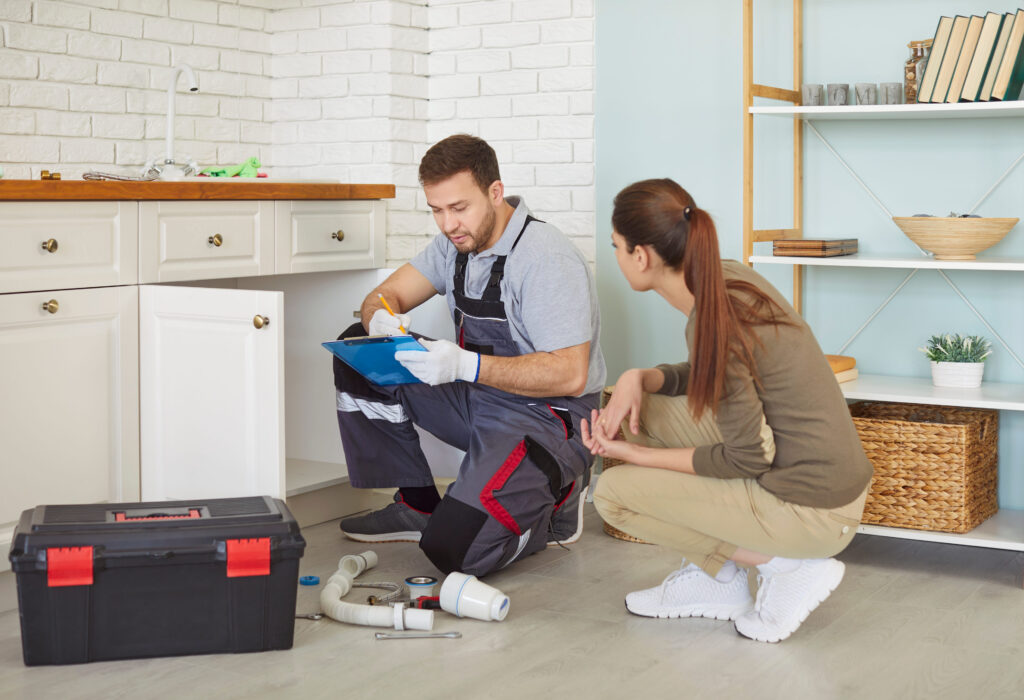
Is Your Home Ready For Springtime?
While you are at it, open up the cabinet under each sink. Look at the floor of the cabinet. Any moisture, staining, or that musty smell? That is a red flag. Flexible supply lines crack in cold temperatures, and the damage often does not show until water pressure builds back up in spring.
Toilets are easy to overlook, but they commonly develop issues after a hard winter. Lift the tank lid and watch for a few minutes. If water keeps running without stopping, the flapper is probably worn or the fill valve is off. Rock the toilet gently at the base. Movement means the wax seal underneath has likely failed, which is a slow leak that can quietly rot your subfloor over just a few months.
2. Your Water Heater Worked Hard All Winter
Think about how much your water heater had to work from November through February. Cold incoming water and longer heating cycles. By spring, sediment has built up at the bottom of the tank, especially in areas where the water runs hard.
In many Colorado communities, water hardness runs between 15 and 25 grains per gallon. That mineral buildup settles at the bottom of the tank and causes the popping or rumbling sounds you may hear when the heater fires up. Flushing the tank in late spring clears that sediment and can add years to the unit’s life.
While you are there, test the pressure relief valve by lifting the lever briefly. Water should flow and stop cleanly. Check for any rust around the base, corrosion on the connections, or pooling near the unit. If the water heater is more than 10 years old and showing any of these signs, spring is the right time to talk to a plumber about replacement before it fails in the middle of summer.
3. Outdoor Faucets and Hose Bibs: The Most Common Freeze Victims
Outdoor faucets take the biggest beating from Colorado winters. Even frost-free hose bibs can fail if a garden hose was left attached through December or if the interior shut-off was never fully closed.
Turn on the outdoor faucet and cup your hand over the opening while it runs. If the flow feels weaker than expected or you hear water spraying somewhere inside the wall, that pipe likely cracked during a freeze and is leaking behind the drywall. That situation needs a plumber, not a YouTube tutorial.
Take a walk. Not in the park, but around every exterior wall of your place. Check around the spigot housing for cracks or corrosion. Look for handles that spin freely without actually stopping the water. Low flow from a hose bib that used to run strongly is another sign that something broke or narrowed during the cold months. Wait until nighttime temperatures stay consistently above 32 degrees Fahrenheit before turning outdoor systems back on.
4. Sprinkler System Startup After a Colorado Winter
If the irrigation system was properly blown out with compressed air before the first freeze, it has a good chance of surviving intact. Still, starting it back up without checking things first can destroy components that cost hundreds of dollars to replace.
Walk the yard before touching any valves. Look for sprinkler heads that are cracked or tilted or just sitting too low. Check the backflow preventer, the device mounted above ground near your water meter. It is one of the most expensive parts of the system and one of the most vulnerable to freeze damage. If it shows any signs of cracking or leaking, do not pressurize the system. Call a licensed plumber first.
5. Sewer Lines and Drains Deserve a Hard Look in Spring
Tree roots grow quickly in spring and look for moisture in the soil. Sometimes they reach sewer pipes and grow inside them. This can block the line. Signs of a problem include several slow drains, gurgling toilets, or a sewage smell in the yard. If many drains in the house are slow at the same time, the main sewer line may be blocked instead of just one drain.
6. Do Not Forget the Sump Pump
If the home has a sump pump, spring is when it earns its keep. Snowmelt and spring rain raise groundwater levels faster than at any other time of year. April is the time when it is working the hardest. You should absolutely check it before spring.
Pour a bucket of water into the sump pit and watch what happens. The pump should turn on automatically when the float rises. It should run smoothly without loud grinding or struggling sounds. Noise like that can mean the motor is wearing out.
Also, check the discharge pipe. It should carry water far away from the house, not just a few feet from the foundation, where it can collect and seep back in. If the sump pump has a battery backup, unplug the main power to make sure the backup system starts working. A dead battery during a spring storm can lead to a flooded basement.
7. Water Pressure Tells the Whole Story
Grab a pressure gauge from any hardware store and test the main line. Normal residential pressure falls between 40 and 80 PSI. Anything above 80 puts constant stress on joints, appliances, and fixtures. A pressure-reducing valve handles this. But those valves wear out and sometimes fail after a rough winter. Low pressure across the whole house might indicate a main line leak. Low pressure at just one fixture usually means a clogged aerator or a partially frozen supply line that never fully cleared.
Final Thoughts: A Plumbing Check Now Costs Less Than an Emergency Later
Spring in Colorado is a good time to check your home’s plumbing after winter. Pipes that made it through the cold can still start leaking when water pressure comes back. Outdoor systems may also have cracks and can leak when you turn them on. Finding these problems in April is much cheaper than fixing water damage later in the summer.
Working through this list takes a few hours. If anything looks off or feels uncertain, bring in a professional before it escalates. If you need to get real, honest professionals on the job, you can make use of Bear Creek Plumbing. Just give us a call, and we will inspect and fix any problems with your plumbing.
FAQ
When should I start my spring plumbing inspection in Colorado?
You should start your spring plumbing inspection in Colorado when nighttime temperatures stay above 32°F (freezing). This usually happens in early to mid-spring when the risk of frozen pipes and sudden temperature drops becomes much lower.
How do I know if an outdoor faucet froze and cracked during winter?
Turn on the outdoor faucet and block the opening with your hand. If the water drops quickly or you hear water spraying inside the wall, the pipe may be damaged and needs fixing.
Why is spring the right time to flush a water heater?
Spring is the right time to flush a water heater because it runs harder during winter to heat cold incoming water. This increases the buildup rate of sediment. Flushing in late spring clears that buildup before summer demand picks back up and helps the unit run more efficiently.
What causes multiple drains to slow down at the same time in spring?
When several drains in the house slow down at the same time, the main sewer line is usually the problem. Tree roots often grow into small cracks in the pipe and block the line. A camera inspection can find the exact location.
Should I check my sump pump even if my basement stayed dry all winter?
Yes, you should check your sump pump even if your basement stayed dry all winter, as a dry winter does not mean the pump will work during spring rain and snowmelt. Testing it early checks that the pump works before the wet season.


